





PCIE5.0(CAT E)
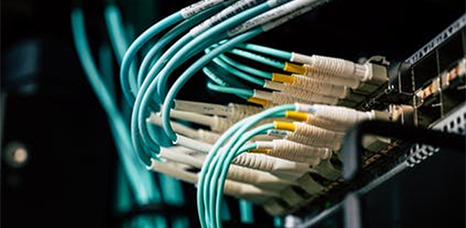
Overview:PCIe cable is serial cable that uses differential signal transmission, the differential signal based on signal integrity theory; Adopting dual channel technology, PCI-Express adopts a dual channel transmission mode similar to full duplex communication technology. In terms of speed, PCI-Express v1.0a provides a transmission rate of 2.5Gb/s for each channel. Depending on the version, cable components for PCI Express expansion card applications can provide specifications such as PCIe X4, X8, and X16. This series of cable components includes high-speed cables such as MiniSAS, SATA, QSFP+, and SPF+.
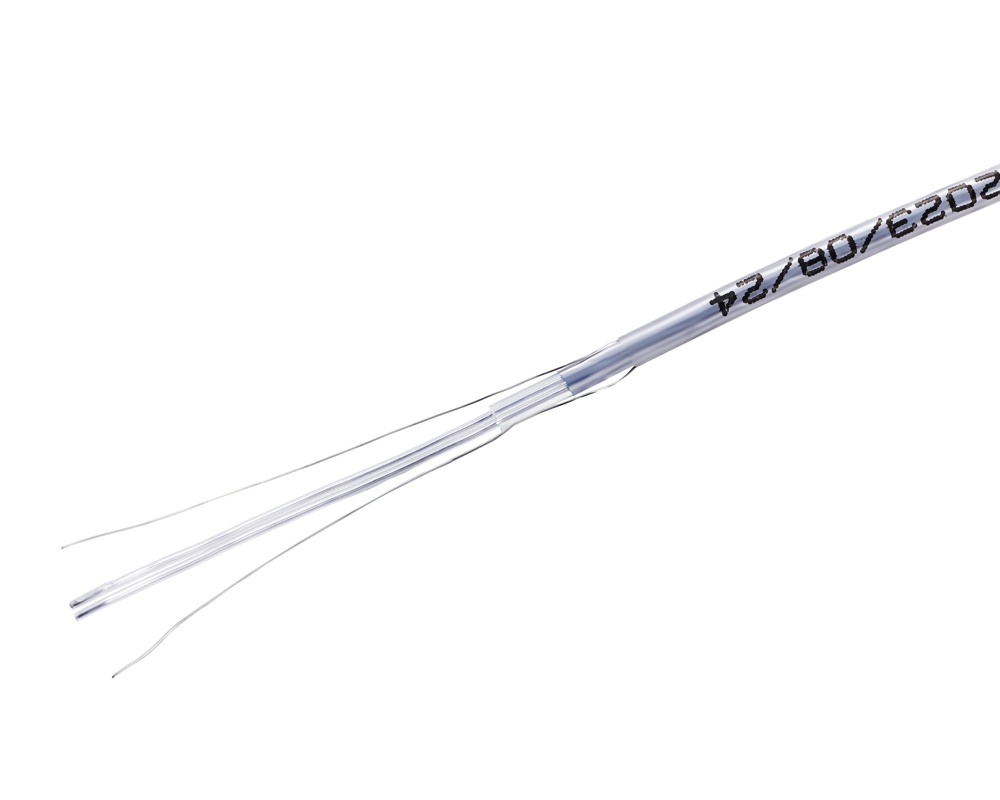
The physical layer of PCIE implements a pair of transmit and receive differential pairs, which can achieve full duplex communication. The main PCIE structure is SAS structure, with CAT A, B, C, D, E structures selected for the wire. According to the test requirements, parameters that meet different specifications are designed.
|
Model :
|
|
Size :
|


Related Products
BVR Connecting Cable Series
|
Model :
|
|
Size :
|
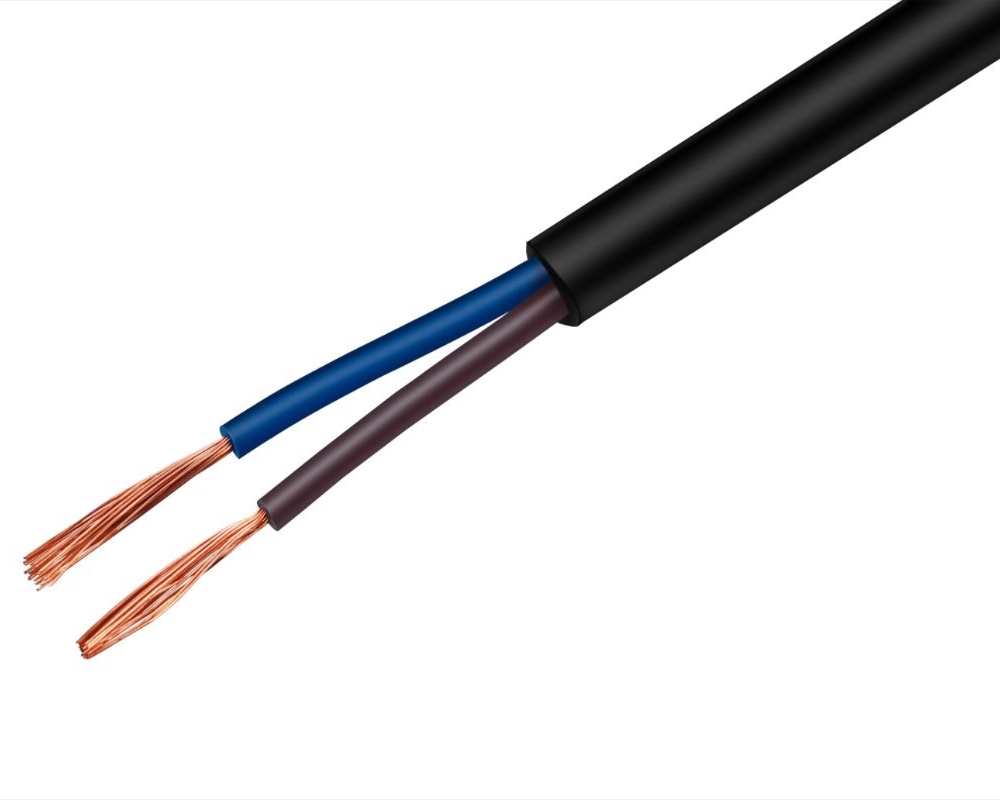
60227 IEC 53(RVV) Series
|
Model :
|
|
Size :
|
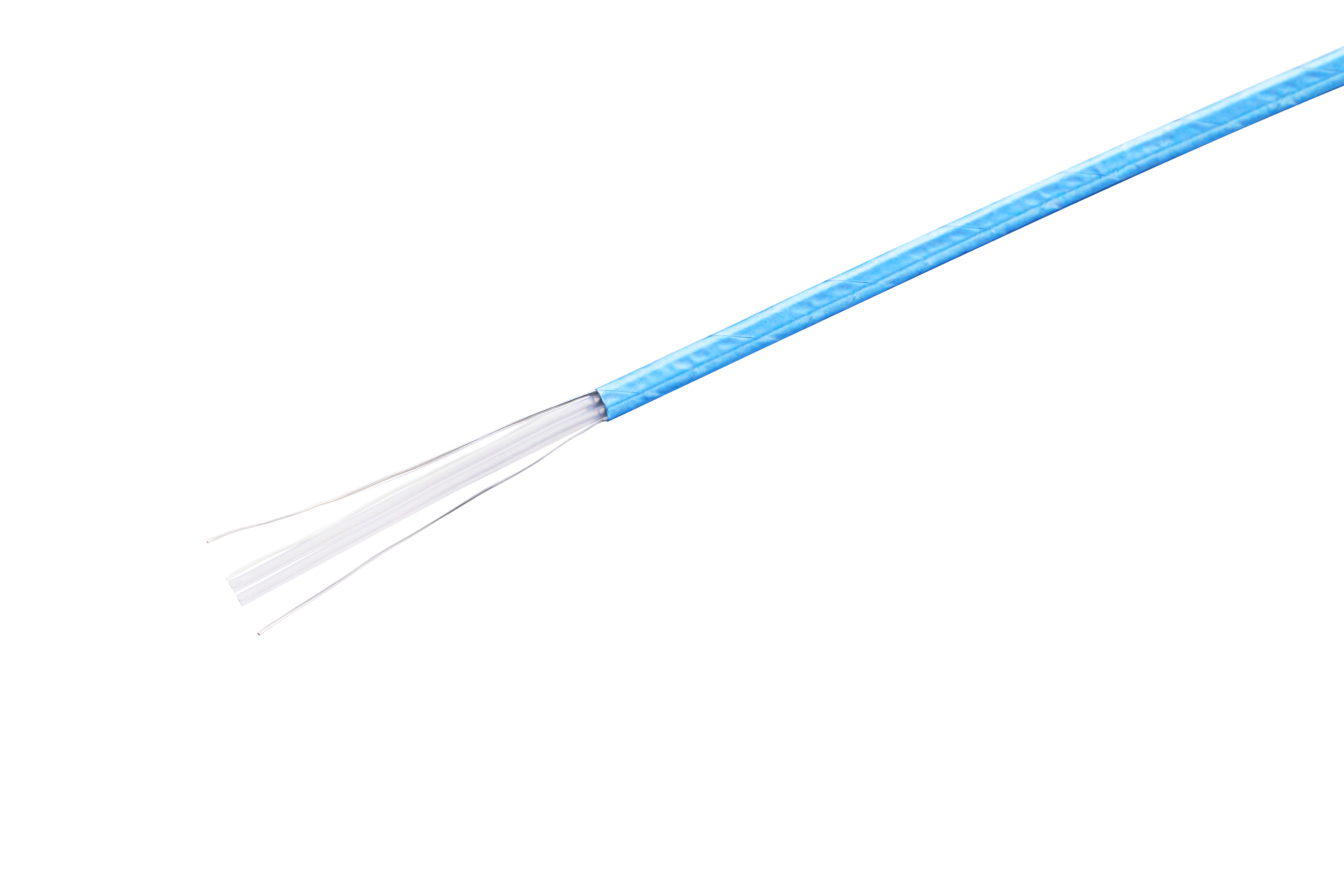
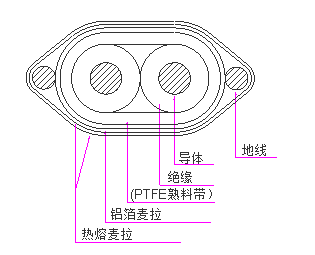
Overview: SAS (Serial Attached SCSI), also known as Serial Attached SCSI, is a new generation of SCSI technology, like the current popular Serial ATA (SATA) hard drives, uses serial technology to achieve higher transmission speeds and improves internal space by shortening connection lines. For raw wires, mainly distinguished based on electrical performance, divided into 6G and 12G, and SAS4.0 24G. However, the mainstream production process is still basically the same. For SAS high-frequency lines, impedance, attenuation, loop loss, and crosstalk are the most important transmission indicators. The operating frequency of SAS high-frequency lines is generally above 2.5GHz. High frequency and low loss communication cables are generally made of foam-polyethylene or foam-polypropylene as insulation materials. Two insulated core wires and two ground wires enter the wrapping machine, and aluminum foil and adhesive polyester tape are wrapped around the insulated core wires and ground wires, insulation process design and process control, structure, electrical performance requirements, and transmission theory of high-speed transmission lines.
|
Model :
|
|
Size :
|
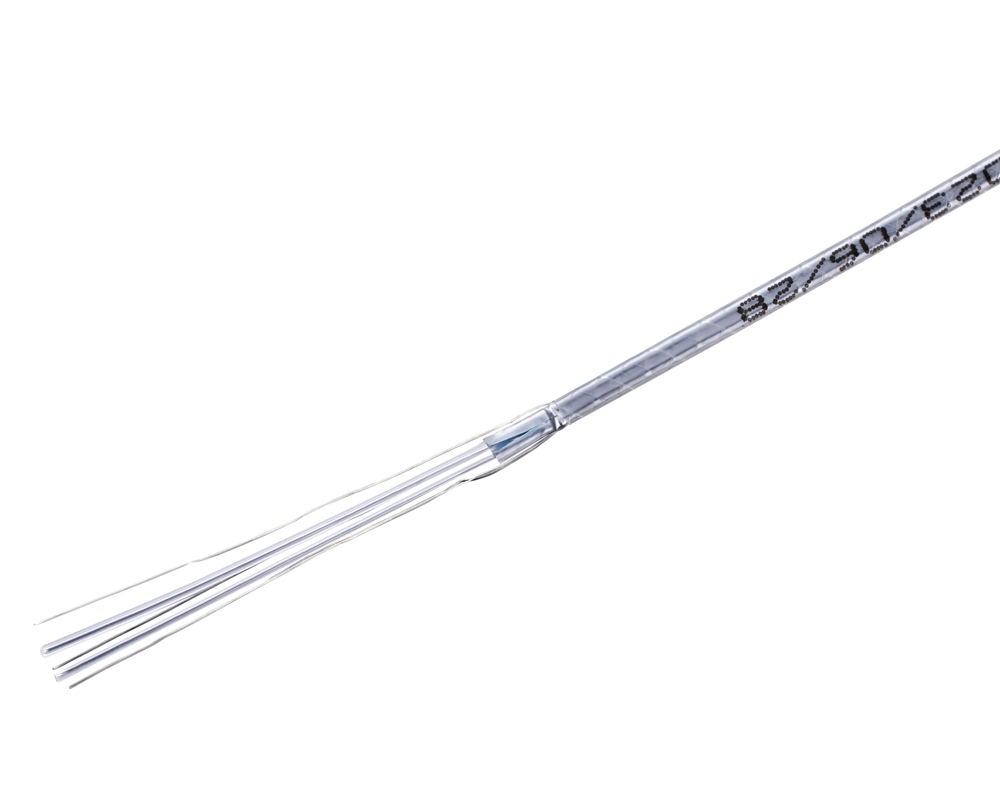
Overview:PCIe cable is serial cable that uses differential signal transmission, the differential signal based on signal integrity theory; Adopting dual channel technology, PCI-Express adopts a dual channel transmission mode similar to full duplex communication technology. In terms of speed, PCI-Express v1.0a provides a transmission rate of 2.5Gb/s for each channel. Depending on the version, cable components for PCI Express expansion card applications can provide specifications such as PCIe X4, X8, and X16. This series of cable components includes high-speed cables such as MiniSAS, SATA, QSFP+, and SPF+.
The physical layer of PCIE implements a pair of transmit and receive differential pairs, which can achieve full duplex communication. The main PCIE structure is SAS structure, with CAT A, B, C, D, E structures selected for the wire. According to the test requirements, parameters that meet different specifications are designed.
|
Model :
|
|
Size :
|
| PCIE5.0(CAT E) | ||
| Material characteristic | ||
| FEP insulation: | Before aging:Tensile strength: 2500PSIMin Elongation:200%Min | |
| Item | Construction | Specification |
| Core | conductor | 30AWG 1/0.280mm SPC |
| insulation | FEP | |
| diameter | 0.60mm | |
| color | nature | |
| Inner Jacket | conductor | FEP |
| diameter | 0.8mm*1.40mm | |
| color | nature | |
| Lapping | drain | 34AWG 1/0.16mm TC |
| material 1 | blue AL | |
| material 2 | Hot-melt mylar tape | |
| diameter | 1.0mm*1.90mm | |
| SI characteristic: | ||
| Insertion Loss: 5.3dB/M @16.0GHz | ||
| No suck out to 30GHz | ||